012_Do_I_Need_to_Ask_My_Pharmacist_Before_Taking_Suppl
Do I Need to Ask My Pharmacist Before Taking Supplements?
With the wellness wave still riding strong in 2026, supplements have become a regular feature in many people's morning and evening routines. From capsules to gummies and powders, modern supplement brands are all about making health easy, approachable, and transparent. But among the excitement and colorful labels, a perennial question lingers: Do I need to talk to my pharmacist before taking supplements?
As someone who's explored the ins and outs of everyday living—whether that’s gardening your own herbs with Grow Your Own Joy or discovering wellness tips from communities like Inbox Besties—I’m here with a clear, no-nonsense take that steers clear of miracle claims and salesy hype.
What Does “Modern Supplement Brands” Mean in 2026?
powder supplements vs capsulesLet’s start by clarifying what you’re likely encountering on the shelves and online today. The phrase “modern supplement brands” refers to companies that:

- Emphasize clean, recognizable ingredients over chemical-sounding names.
- Provide full transparency about sourcing and manufacturing processes.
- Work with third-party labs for testing purity and potency.
- Offer user-friendly forms like gummies and powders for diverse preferences.
- Focus on sustainability and ethical practices in production and packaging.
Brands like Our Good Life perfectly illustrate this mindset. They know supplements are not magic pills—rather, they're small helpers in your broader health story. This aligns with my favorite newsletters and email newsletter opt-in forms that bring thoughtful health advice straight to your inbox without pushy sales funnels.
Why Transparency Matters More Than Ever
Today’s supplement consumers want to see third-party testing badges or QR codes on packaging that link to lab results. This transparency helps confirm that what’s claimed on the label is actually inside the bottle. Without it, those multi-vitamin gummies might as well be fairy dust.
Before we get into the practical side of pharmacist chats, let’s nail down some label-reading basics that anyone can use.
Label-Reading Basics for Regular People
Understanding supplement labels doesn’t require a pharmacy degree. Here are quick pointers that fit into your morning or evening routine browsing:
- Check the Ingredient List: Look for ingredients you recognize and understand. Avoid vague terms like “proprietary blend” which hide quantities of individual components.
- Note the Dosage: Pay attention to the amount of each nutrient or herb. More is not always better. The label should list percentages of Daily Value (%DV) where applicable.
- Look for Expiry and Manufacturing Dates: Supplements lose potency over time, so fresher is better.
- Read Warnings and Allergy Info: These can alert you to potential sensitivities or interactions.
- Third-party Seals: Certifications by groups like NSF, USP, or ConsumerLab indicate testing beyond the brand’s own claims.
Here is an example table summarizing these label components:
Label Section What to Look For Why It Matters Ingredient List Spell out of each item, avoid "proprietary blends" Transparency on what you’re ingesting Dosage Amounts & %DV Exact mg or μg and % Daily Value Proper potency and safety Expiration Dates Clear "use by" or "manufactured on" dates Ensures potency and safety Allergy & Caution Warnings Details on common allergens, side effects Prevents accidental reactions Third-party Seals NSF, USP, ConsumerLab, or QR code linking to labs Validates the product’s qualitySupplement Interactions: Why It’s Wise to Talk to Your Pharmacist
Here’s the crux of the question: supplement interactions. Just like certain foods or drinks can affect medication absorption, some supplements may impact your prescriptions—or vice versa. This is especially true if you’re on medications for chronic conditions or have a complex health history.
Medication interactions aren’t just about supplements making meds “less effective.” Sometimes, they can amplify side effects or cause unexpected reactions. This is why pharmacists are your best go-to experts:
- They have specialized knowledge on supplement and drug interactions grounded in scientific evidence, not internet rumors.
- Pharmacists review your current medication list and flag any supplements that might interfere.
- They can recommend optimal timing—such as taking certain supplements hours apart from medications to avoid absorption issues.
- They often provide straightforward advice to integrate supplements into your routine safely.
Think of your pharmacist as a friendly checkpoint—not an obstacle. Asking doesn't mean you have to overhaul your health goals, but rather helps you avoid avoidable risks.
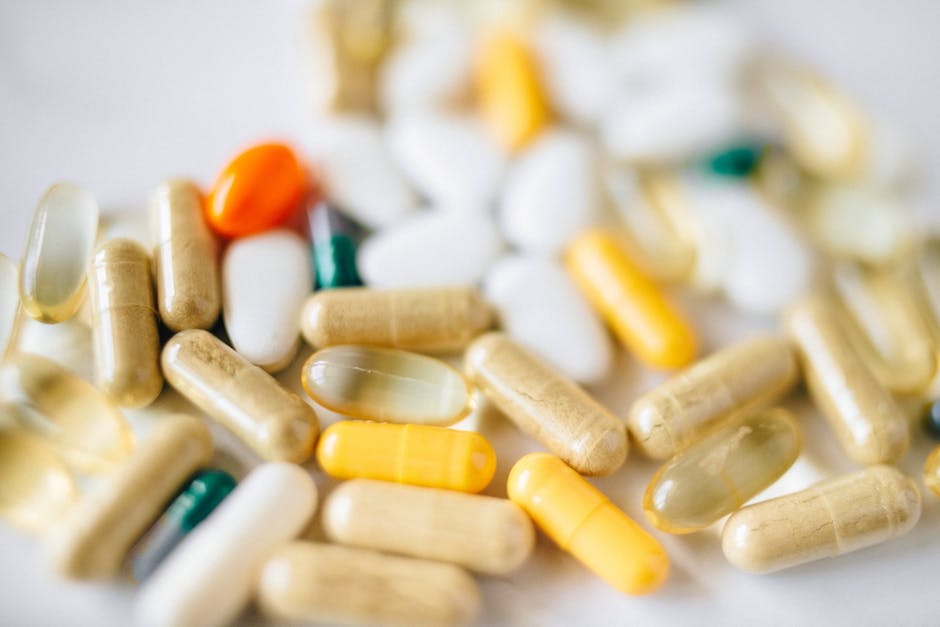
When Is It Especially Important to Talk to Your Pharmacist?
- If you’re taking blood thinners, blood pressure meds, antidepressants, or diabetes medications.
- If you have conditions requiring close monitoring, like kidney or liver issues.
- If you’re pregnant, breastfeeding, or planning pregnancy.
- If you’re starting a supplement with herbs known for stronger effects—like St. John’s Wort, ginkgo biloba, or valerian root.
Pharmacists can also alert you to supplement forms that might work better or worse with your lifestyle or existing health plans.
Forms and Delivery: Capsules, Gummies, Powders, and Liquids
Modern supplement brands like Our Good Life have innovated beyond the classic pill bottle. So what’s best for you?
- Capsules: Easy for dosage accuracy and often odorless. Good for those who want minimal fuss.
- Gummies: Tastier and great for morning routines, especially for kids or those who dislike swallowing pills. Watch for added sugars!
- Powders: Versatile and often used in smoothies or morning drinks, perfect for those who want to combine supplements with food.
- Liquids: Quick absorption and easy to adjust doses. Handy for evening wind-down times when you want something gentle.
Remember, your pharmacist can advise which form makes the most sense considering your medications or lifestyle—for instance, powders might interact differently in absorption than capsules.
Next Simple Step Toward Confident Supplement Use
If you’re wondering how to start incorporating supplements safely into your routine:
- Make a list of all current medications and supplements you're taking.
- Schedule a quick chat with your pharmacist next time you’re picking up prescriptions or health items. Many pharmacies now offer brief consultations without appointment.
- Consider signing up for email newsletters from trustworthy sources like Inbox Besties for down-to-earth wellness tips, plus helpful reminders about medication interactions.
- Use blog-style navigation anchors on wellness websites or supplement brand pages (like those of Our Good Life) to quickly jump to sections on safety and FAQ.
This small, manageable step keeps you informed without derailing your routines or turning supplement use into a stress source.
In Summary
While it might feel tempting to just pick up the latest trendy vitamin gummy or adapt a friend’s herbal routine, consulting your pharmacist before starting supplements is a smart move that can prevent unexpected medication interactions. With modern, transparent brands on the rise, reading labels carefully and choosing tested products helps you stay safe and confident.
Your pharmacist isn’t there to say “no” but to say “let’s make this work well for your unique health story.” And who doesn’t want a little extra peace of mind as part of their morning or evening rituals?
For ongoing inspiration and community, consider weaving in tools like newsletter opt-in forms from trusted wellness advocates or browsing blog-style wellness guides with easy navigation anchors—they’re great ways to keep supplement knowledge fresh without overwhelm.
Here’s to making supplement choices that support your good life—one simple step at a time.