Can Light Damage CBD Cream on a Shelf? A Practical Guide for Yucatan Living
For expats and long-stay travelers in the Yucatan Peninsula, managing skincare routines under tropical conditions is a daily endeavor. Among the array of topical options, CBD creams like those from Joy Organics have gained popularity for their soothing properties. But a common question arises: can light damage CBD cream on a shelf? Understanding this starts with grasping how heat, light, and time degrade cannabinoids, and https://yucatanmagazine.com/sun-sweat-and-topicals-using-a-cbd-cream-in-a-tropical-climate/ practical storage and application tips especially tailored to humid, sun-drenched climates.
Why You Should Care: The Chemistry of CBD and Environment
Cannabinoids in CBD creams are sensitive compounds. Manufacturers such as Joy Organics carefully formulate their products to retain potency and efficacy. However, exposure to heat, light, and oxygen over time can degrade cannabinoids, diminishing the cream’s effectiveness.
Research shows that prolonged exposure to ultraviolet (UV) light and heat can break down essential cannabinoids like CBD and THC. This is why storing your cream properly matters, especially in sunny, high-humidity zones like the Yucatan, where direct sunlight and ambient heat are constant.
Keep Original Container & Store Away from Sun
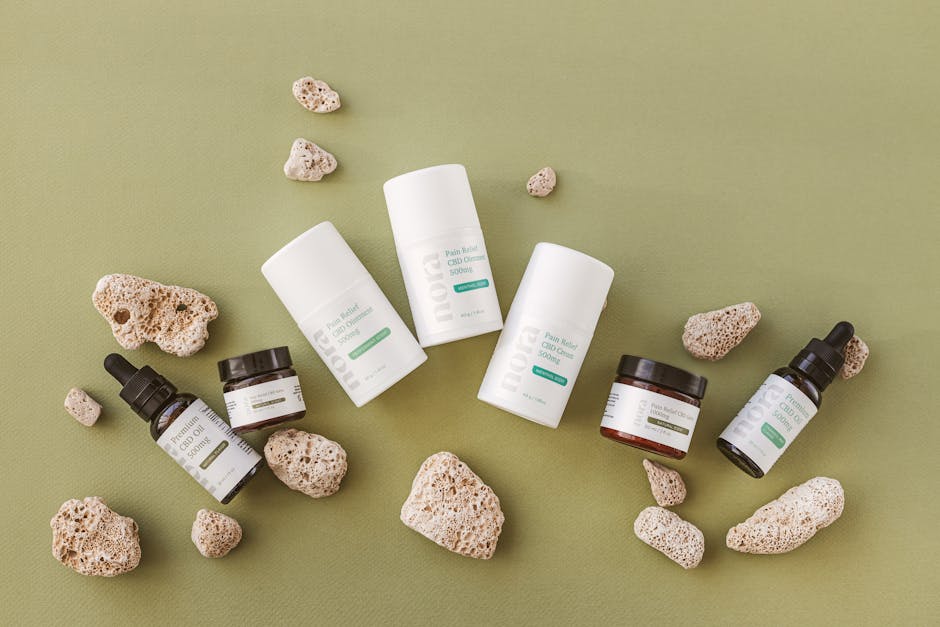
One cardinal rule is to keep your CBD cream in its original container. These containers are designed to minimize light exposure — many use tinted glass or opaque plastics — and limit air contact.
Store away from sun—not just direct rays but also indirect bright light can accelerate degradation. A cool, dark cabinet or drawer is ideal. Air-conditioned interiors are preferable, but not always feasible here; in that case, a linen-lined basket in shaded corners works well to keep product integrity.
Humidity and Application: Why Wet Skin is a No-Go for Topicals
Here’s a mistake I see often from neighbors and new arrivals—applying CBD cream onto wet skin. The Yucatan’s tropical humidity means skin can linger damp long after a shower, tempting many to 'douse and apply' quickly. This ruins the uptake and feel of your cream.
Humidity Makes Wet Skin a Bad Surface for Topicals
Topicals rely on skin contact and absorption. When skin is wet or greasy, products fail to penetrate correctly. High humidity keeps skin surface moist longer, which, combined with oily mixtures in creams, causes slipping and prevents cannabinoids from reaching dermal layers.

Cool-Down and Dry-Off Routines
I’ve refined a routine over seven years of living here that helps:
- After showering, spend at least 15–20 minutes in shaded airflow (I call it fan minutes) to cool down and reduce skin temperature.
- Use a soft, breathable linen towel—linen dries faster and doesn’t trap moisture like cotton.
- Pat skin gently rather than rubbing—this lessens irritation and ensures dryness without roughness.
- Only once completely dry apply your CBD cream, pressing firmly but without overwriting the surface.
This minimizes the risk of product dilution or uneven spread in Yucatan humidity.
Layering Order: CBD Cream, Sunscreen, and Insect Repellent
The Yucatan sun is fierce, and insect repellent is a must when exploring Mayan ruins or jungle trails. The interaction of CBD creams with sunscreen and insect repellents, especially those containing DEET, requires care.
Proper Layering for Maximum Benefit
- First: Clean, dry skin—following the dry-off routine above.
- Second: Apply your CBD cream (e.g., Joy Organics’ balm) and allow it a few minutes to absorb fully.
- Third: Use sunscreen. Mineral-based formulations (like zinc oxide or titanium dioxide) are best as they are less likely to interact chemically with oils or plastic packaging.
- Last: Apply insect repellent, especially ones containing DEET but keep in mind the warnings below.
DEET Interactions with Oils and Plastics
DEET is quite reactive; it can degrade oils or synthetic compounds in topical products. It also breaks down some plastics, which is why I always keep product lids tightly closed—an odd quirk that’s actually essential to extend shelf life here in the Yucatan.
Applying DEET last ensures it does not interfere with cannabinoids or protective oils you apply on skin first. If you apply sunscreen after repellent, you risk diminished repellent effectiveness or clogged pores.
Useful Storage Table: Conditions That Help vs. Harm CBD Creams
ConditionEffect on CBD CreamRecommendation Direct sunlight exposureAccelerates cannabinoid breakdown (UV damage)Store in dark, opaque containers; shaded shelves High humidity (>70%)Encourages packaging damage, skin moisture impedes absorptionKeep lids tightly closed; dry skin before use Elevated temperature (>30°C/86°F)Destroys active compounds faster over timeCool storage locations; avoid leaving cream in car or near windows Air exposure (frequent opening)Oxidizes cannabinoids, reduces potencyMinimize container opening; use recommended amounts Application on wet skinDilutes cream; hinders absorptionDry off thoroughly before applicationLocal Expertise: Tips from Yucatan Studio & Yucatan Magazine
Both Yucatan Magazine (which caters to expats and culture seekers) and Yucatan Studio (a local lifestyle brand) emphasize the importance of respecting native conditions when importing wellness routines. Many wellness products sell broad claims but forget to factor intense tropical elements like sun exposure and humidity.
Yucatan Studio, known for sustainable, locally inspired products, recommends incorporating fans and natural ventilation before topical application, matching what I call the 'fan minutes' routine. Likewise, Yucatan Magazine has often highlighted the importance of protective storage for imported beauty and health products — including sensitive botanicals like CBD.
Summary: Keep Your CBD Cream Potent (& Your Routine Sweatproof!)
- Heat, light, and time degrade cannabinoids — so store your cream in the original container and away from sunlight.
- Humidity complicates topical application; cool down and dry off your skin fully before putting on CBD cream.
- Layer products thoughtfully: CBD cream → sunscreen → insect repellent (especially DEET-based).
- Always keep lids tightly closed to prevent oxidation and contamination.
- Respect local climate quirks: fans and shaded storage improve product life and your skin’s response.
Choosing a reliable brand like Joy Organics ensures you start with a well-formulated product. But upkeep during storage and use makes all the difference, especially in Yucatan’s tropical climate. Next time you unpack your CBD cream, treat it like a delicate treasure—not just another jar on a shelf.
Stay cool, stay dry, and keep those cannabinoids intact. Your skin — and your peace of mind — will thank you.
Author's Note: This advice is crafted from seven years living part-time in Mérida and exploring beauty and wellness adaptations for Yucatan’s unique climate, combining firsthand experience with expert insights from local sources like Yucatan Magazine and Yucatan Studio.