How do I unwind with friends without alcohol and not feel awkward?
You want to see your friends, switch off after work and enjoy the evening. You just don’t want alcohol to be the main event. That can feel surprisingly tricky: a drink often comes with a familiar routine, a reason to linger and something to do with your hands. Without it, you might wonder what to order, how to explain yourself or whether everyone else will notice.
The good news is that an alcohol-free night out doesn’t have to feel like a lesser version of the usual plan. It can be warm, funny and properly relaxing. The key is to work out what the drinking habit has been doing for you, then design a new ritual that meets some of the same needs. You’re not trying to become a different person overnight; you’re making it easier to enjoy the people and moments you already value.
First, ask: what job is this habit doing?
Before choosing a replacement, get curious about the role alcohol plays in your evening. It might be a signal that the working day is over, a way to ease social nerves, a treat after a demanding day, or simply part of the familiar rhythm of meeting friends.
Try finishing this sentence: “When I have a drink with friends, it helps me…” You might write “feel included”, “stop thinking about work”, “have something to hold” or “give myself permission to relax”. There isn’t a right answer. Understanding the job helps you choose a replacement that actually fits, rather than swapping in a drink you don’t enjoy and hoping willpower does the rest.
If the drink is helping you… Try building in… Mark the end of work A clear after-work transition, such as a walk or changing clothes Feel part of the group A drink you genuinely like and a plan that centres the activity Settle social nerves A quieter venue, one-to-one catch-up or a short opening plan Make the evening feel like a treat A special glass, an interesting flavour or a favourite dessert Give you something to hold A proper glass of sparkling water, tea or a alcohol-free serveCreate an after-work transition without alcohol
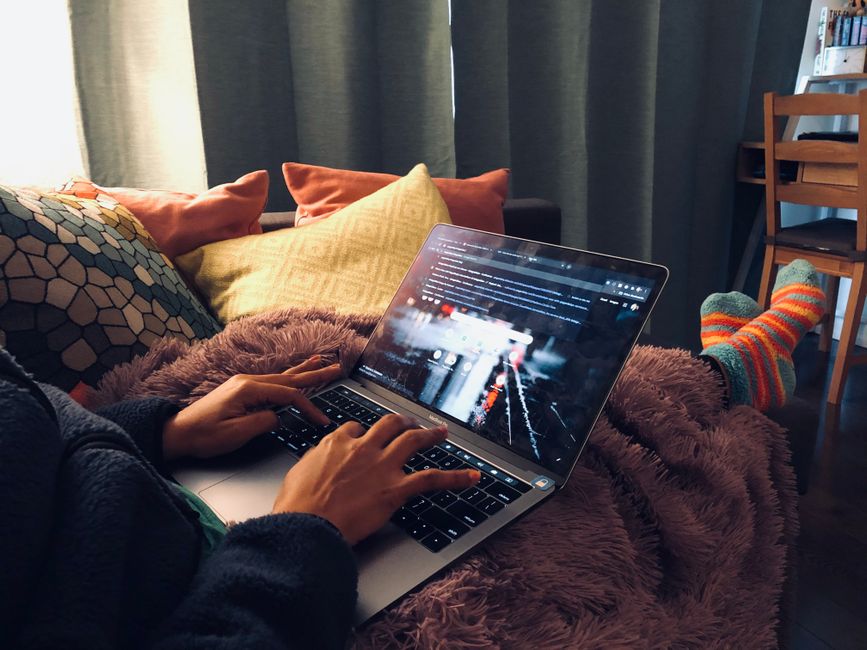
For many remote workers, the hardest part isn’t the social occasion. It’s the jump from answering messages at home to being ready to connect with someone. If work and leisure happen in the same room, a drink can become the shortcut that says, “That’s enough for today.” You can create that signal another way.
Make the first step tiny
Choose a transition that takes five minutes or less: close your laptop, change your top, wash your face, step outside or put on a particular playlist. In my notebook of tiny ritual first steps, the most useful ones are almost comically simple. The aim is not to complete a perfect wind-down routine; it’s to give your brain a clear cue that work has ended.
For example:
- Save your work and shut the laptop.
- Put your work mug and notebook away.
- Change into comfortable clothes.
- Walk round the block or stand outside for a few minutes.
- Get ready to meet your friend, without opening work messages again.
That sequence can be especially helpful when you’re meeting friends online.
Move to another chair, turn on a lamp or use headphones you associate with leisure. A small change of setting helps create a boundary, even if you haven’t left home.
Design a ritual, not just a substitute drink
A habit is often a bundle of cues and actions, not just the thing in your glass. There may be a particular time, place, person, flavour and feeling attached to Home page it. Keep the parts you enjoy and deliberately change the part that no longer suits you.
If you like the clink of ice, a cold glass and a long drink, keep those sensory cues. If choosing something from a menu makes you feel included, order first rather than waiting to explain your choice. If the ritual is about marking an occasion, give the alcohol-free option its own small ceremony: chill the glass, add citrus or herbs, and take a moment to enjoy it.
“Just have water” can feel like being handed a practical answer when what you wanted was a treat. You’re allowed to make the alternative appealing. Use a proper glass, not the nearest office tumbler. Try sparkling water with lime, a well-made alcohol-free cocktail, ginger beer, kombucha or a favourite soft drink. Check ingredients and labelling if you need to avoid particular ingredients, and remember that some drinks described as alcohol-free may contain a small amount of alcohol.
Let the setting do some of the work
Sensory cues can make a new routine feel more natural. A favourite playlist, a cosy table, fresh air or food you enjoy can help the evening feel like an event rather than an exercise in abstaining. Think about lighting, sound, temperature and what you’ll be doing with your hands. A café with comfortable seating or a lively restaurant with good food may feel easier than a pub where drinking is the only visible activity.
When you plan socialising sober ideas, choose options that give your attention somewhere enjoyable to go: a walk, a film, a quiz, a gig, bowling, a meal or a board-game night. The activity doesn’t need to be elaborate. It simply helps the conversation share the stage with something else.
Give yourself permission to rest and enjoy the evening
Sometimes alcohol has been acting as a permission slip: “I’ve worked hard, so now I can stop.” You don’t have to earn rest by drinking, nor do you have to make an alcohol-free evening productive. It can be enough to eat something tasty, laugh with a friend and come home when you’re ready.
I'll be honest with you: try saying, even just to yourself: “work is finished. I’m allowed to enjoy this evening as it is.” It can sound simple, but naming the permission matters when you’re used to pushing through or feeling that relaxation needs to be justified. Build in a reward you look forward to: your favourite pudding, a late breakfast planned for tomorrow, a bath when you get home or an early night with a book.
Reward doesn’t need to mean buying something or making the evening bigger. It can be the feeling of waking up rested, having had a proper conversation, or knowing you chose what suited you. Notice those benefits without turning them into a test. One evening doesn’t have to prove anything about your future choices.. Pretty simple.
What to say if you feel awkward
You don’t owe anyone a detailed explanation. A short, ordinary answer is often easiest. Say it warmly, then move the conversation on:
- “I’m having a break from alcohol tonight. What are you having?”
- “I fancy something alcohol-free today.”
- “I’m driving, so I’ll stick to this.”
- “I’m good with this, thanks. Tell me how your new job’s going.”
You can also decide in advance what you’ll order. If it helps, look at the menu before you arrive or ask the venue what alcohol-free options it has. Having a plan can reduce the awkward pause at the bar, but it doesn’t need to be a speech you rehearse all afternoon.
If friends ask again, repeat your answer without over-explaining. People may be more focused on their own evening than you imagine. And if someone keeps pressuring you, it’s reasonable to change the subject, step away or choose a different plan next time. Feeling included should not require you to drink.
Choose social plans that suit the kind of evening you want
Not every alcohol-free plan needs to be an alternative venue. You can keep the familiar pub catch-up if you like it, while adding options that don’t revolve around drinks. Try meeting for brunch, going for a coastal or park walk, booking a pottery class, visiting a gallery late opening or inviting friends round for a shared meal.
For a first alcohol-free night out, consider a shorter plan: meet for dinner, go to a daytime event, or arrange to leave after an hour if you’re tired. A clear start and finish can take the pressure off. You’re allowed to enjoy the evening and still head home when it feels complete.
If a particular setting makes you uncomfortable, you don’t need to force yourself to prove you can manage it. Ask what you want from the gathering—conversation, celebration, company—and suggest a different way to get it. That’s not letting anyone down; it’s helping the plan work for you too.
Keep wellbeing products in perspective
You may come across supplements or products marketed for relaxation while looking for new ways to unwind. Treat confident wellness claims with care: a product is not a guaranteed fix for stress, sleep or social anxiety, and sober curious CBD gummies it won’t replace a routine that suits your needs. If you’re considering CBD, check the rules and product labelling relevant to where you live, and ask a pharmacist for a pharmacist consultation about possible interactions, medicines or health circumstances before using it.
For example, if you see a brand such as Joy Organics while researching CBD products, look for clear information about ingredients, dosage and independent testing rather than relying on promotional claims. Some companies provide access to QR code lab reports; these can help you inspect test information for a product or batch, but they don’t establish that it is right for you or prove a therapeutic benefit. If you have questions, a pharmacist or appropriate healthcare professional is a better place to start than an influencer’s promise.
Coaching can also help when you want to understand the patterns around your evenings and make changes that feel realistic. The Coach Space is one place to explore coaching support. A coach should help you clarify your own aims and practical next steps, not pressure you into a one-size-fits-all routine or present coaching as medical treatment.
Make your plan easy to repeat
Habits stick more easily when the next step is obvious. Before your next meet-up, choose one small action for each part of the evening:
- Transition: decide how you’ll signal that work is over.
- Order: pick one alcohol-free drink you’re curious about.
- Connection: suggest an activity or a question you’d like to ask your friend.
- Permission: decide what time you’ll head home if you’re ready.
Afterwards, take a minute to notice what worked. Did a proper glass help? Was the venue comfortable? Did you miss the taste, the ritual, the loosening-up feeling or something else? That answer is useful information, not a verdict. Adjust the plan next time.
Unwinding together can still feel special
Learning to unwind with friends without alcohol is less about finding a perfect replacement and more about creating an evening that meets your real needs. Give yourself a transition out of work, choose sensory cues you enjoy, make the plan social and satisfying, and allow rest to be a reward in its own right.
You may feel a little self-conscious at first. That doesn’t mean you’re doing it wrong; new rituals can feel unfamiliar before they feel like yours. Start with one easy plan, one drink you actually like and one friend you feel comfortable with. The aim isn’t to perform confidence. It’s to make room for a good evening, on your terms.