Is Paracetamol and Habit a Bad Plan for Chronic Pain?
In the rugged world of Scottish lower-league football, pain is often worn like a badge of honour. Whether it’s a dodgy knee, a nagging ankle, or a grinding hip, many players and fans alike grow accustomed to popping paracetamol so habitually it becomes second nature. But when does relying on simple painkillers turn from a helpful crutch into a harmful habit? And what’s really going on beneath the surface when pain sticks around for months or years?
In this post, we’ll unpack the messy truth about chronic pain, the often overlooked long-term risks like osteoarthritis, and why just masking pain with paracetamol might be a bad move. We’ll also explore the stigma rooted deeply in football culture about reporting pain, and highlight better, evidence-backed ways to self-manage chronic discomfort. Plus, you’ll find pointers on when it’s time to seek a proper assessment rather than carrying on as if nothing’s changed.
Football Culture and the Stigma Around Reporting Pain
Having spent over a decade close to the action in changing rooms, rehab bays, and away ends, one thing is striking: football culture has a tough-guy aura that discourages openly admitting to pain. “You’re fine, just get on with it.” “We’ve all got aches, don’t be soft.” This kind of tough talk can make players and fans alike push through injuries that really need attention.
Unfortunately, this culture fuels dangerous habits:
- Ignoring pain signals: Numb to what the body’s telling them, players often postpone seeing a physio or doctor.
- Over-relying on painkillers: Using paracetamol or other meds habitually to mask discomfort instead of addressing the cause.
- Fear of stigma or being sidelined: Players may worry about losing their place if they report pain or injury.
But pain isn't just an annoyance; it’s the body waving red flags for a reason. Ignoring it or just dulling it with meds can lead to far worse long-term outcomes.
Chronic Pain and Long-Term Outcomes: Osteoarthritis and Persistent Pain
So what happens when pain hangs around for more than a few months? We call this chronic pain, and it’s not just an ongoing ache — it can significantly affect your quality of life and mobility.

Here are some typical long-term consequences related to persistent joint and soft tissue pain:
- Osteoarthritis (OA): Especially common after joint injuries (like meniscus or ligament damage in knees), OA is the breakdown of cartilage leading to stiffness, swelling, and pain.
- Persistent pain syndromes: Pain that outlasts the usual healing time, sometimes without clear tissue damage, can be linked to nervous system changes.
- Reduced function: Chronic pain often leads to less physical activity, muscle weakness, and poorer movement patterns, which can perpetuate problems.
The kicker? These long-term issues often start pieandbovril.com because of how the initial injury healed, or more precisely, didn’t heal perfectly.
Mechanisms Behind Chronic Pain: Imperfect Healing, Cumulative Loading, Central Sensitisation
Let’s break down what’s happening inside the body when pain refuses to quit:
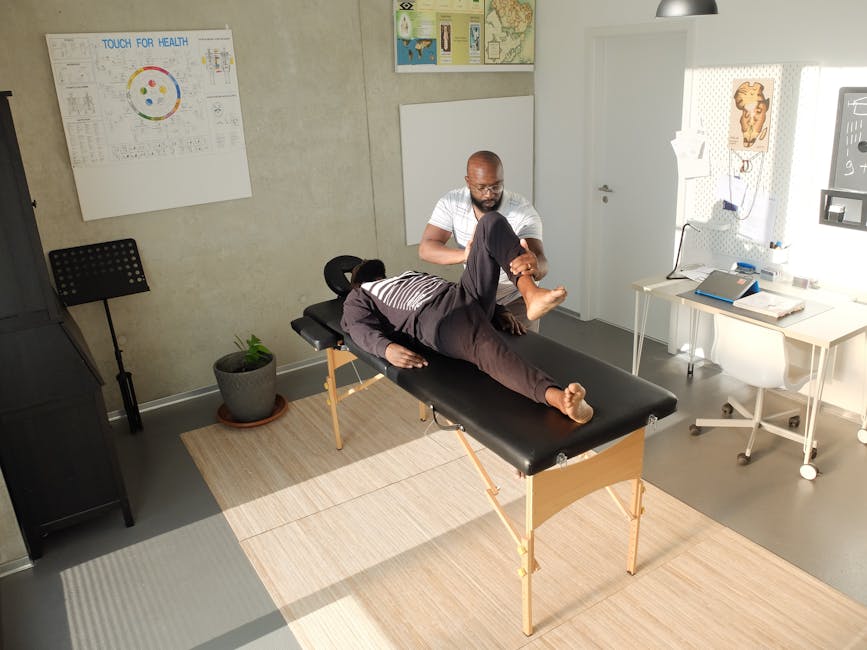
- Imperfect Healing: A mild tear in a ligament or cartilage might not be fully repaired due to ongoing stresses or inadequate rest. The tissue heals, but not quite right. Over time, this faulty repair weakens the joint or soft tissue.
- Cumulative Loading: Football is a beast of repetitive stresses — running, twisting, jumping, tackles. When damaged tissue is repeatedly loaded before it's ready, micro-injuries add up like invisible potholes on a road, worsening the damage.
- Central Sensitisation: Sometimes, the nervous system itself becomes wired to amplify pain signals, even without new tissue damage. It’s like the body’s internal volume knob for pain gets stuck turned up too high. This mechanism can make chronic pain feel much worse than the original injury.
Here's what kills me: put simply, the body stops giving you a straightforward “injury = pain” message. Instead, pain becomes a complex mix of physical and neurological factors.
Why Painkillers Alone Aren't the Answer
Paracetamol and other painkillers can be useful on occasion to reduce pain spikes, but relying on them habitually comes with downsides:
- Painkillers Mask the Problem: They can hide symptoms that should prompt evaluation or changes in activity, delaying proper treatment.
- Risk of Side Effects: Long-term paracetamol use isn’t entirely without risk, especially to the liver. Combine that with overuse of NSAIDs in footballers, and you’ve got a recipe for unwanted health issues.
- False Sense of Security: Players might think they’re “game-ready” but are actually pushing damaged tissues harder, risking further harm.
If you find yourself needing paracetamol every session or training day just to keep going, that’s a sign something fundamental needs addressing, not just medicating.
Active Rehab: Graded Exercise and Strengthening for Chronic Pain Self Management
Here’s the good news: chronic pain absolutely does not mean “you’re broken forever.” There is a proven way forward, and it’s surprisingly simple—active rehab.
Active rehab focuses on gradual, structured restoration of movement and strength, addressing both the faulty tissues and the nervous system’s pain amplification. The key components include:
- Graded Exercise: Starting from very low-intensity movements and progressively increasing load and complexity. This helps remodel tissues gently and retrain the nervous system.
- Strengthening: Targeted muscle strengthening around affected joints supports stability and reduces abnormal forces, protecting injured areas.
- Movement Re-education: Correcting movement patterns that may have adapted poorly after injury to reduce ongoing strain.
- Education: Understanding pain mechanisms reduces fear and empowers you to take control.
Unlike vague advice like “just rest it” — which often leads to weakness and stiffness — a clear, simple routine you can stick to consistently makes a world of difference.
When to Get Assessed: Don’t Leave It Too Late
Knowing when to see a professional can save your knee, back, or ankle from permanent damage. Head to your GP, physio, or sports medicine clinic if you notice:
- Persistent pain lasting beyond 6 weeks
- Swelling, locking, or instability in a joint
- Reduced function affecting daily activities or football participation
- Increasing reliance on painkillers to get through games or training
- A history of repeated injuries or worsening symptoms over time
For athletes concerned about medication and doping regulations, the UK Anti-Doping (UKAD) website provides guidance on permitted treatments. If you’re exploring alternatives, some private clinics offer pathways to medical cannabis treatment for chronic pain—which some patients find helpful. Let me tell you about a situation I encountered thought they could save money but ended up paying more.. However, always consult a regulated medical professional before starting new therapies.
Summary: Rethink Paracetamol and Habit in Managing Chronic Pain
Aspect Common Pitfall Better Approach Football Pain Culture Ignoring pain, “tough it out” mentality Recognise pain as important feedback, report early Using Paracetamol Habitually Masking symptoms, risking side effects Use as needed, never to hide ongoing damage Chronic Pain Mechanism Assuming tissue damage always evident Understand central sensitisation & cumulative loading Management Strategy “Rest it” and meds only Active rehab: graded exercise, strengthening, education When to Seek Help Waiting until pain is unbearable Assess early if pain persists >6 weeks or function declinesDon’t let paracetamol and habit be your default playbook for chronic pain. Listen to your body, identify what changed in the last six weeks or so, and push for sensible, active strategies that get you moving better long-term—not just medicated in the short term.
That knee may feel like an old teammate you can’t leave behind, but with the right care, you can manage chronic pain smartly and keep enjoying football for years to come.
```